Unlocking Entrepreneurial Rural Business Opportunities: A Guide to Livestock Farming.

Article Structure
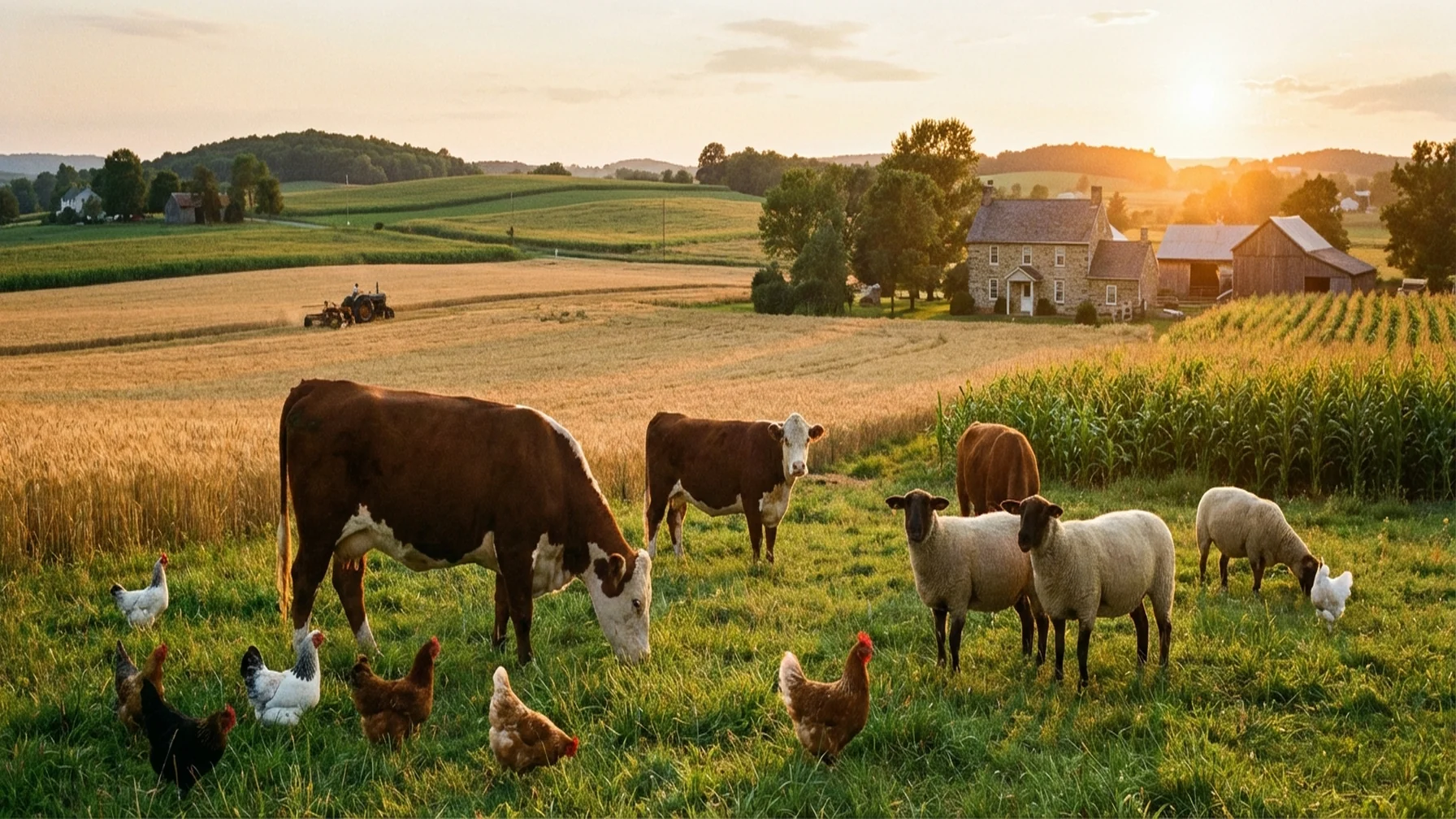
Entrepreneurial rural business opportunities are abundant, particularly in the realm of livestock farming. This sector not only allows engagement with nature but also offers a path to financial success. Whether you are an experienced farmer or a newcomer, understanding essential components such as livestock management software, cattle breeding strategies, and modern agricultural equipment can significantly enhance your farming operations.
Understanding Livestock Management Software
Managing a livestock farm efficiently can be challenging without the right tools. Livestock management software is designed to streamline operations, track animal health, and optimize productivity. This software aids in record-keeping, breeding schedules, and feed management, ensuring that every aspect of livestock care is well-documented and accessible.
- Efficient tracking of animal health and performance
- Automated record-keeping for breeding and production
- Improved resource management and cost-effectiveness
- Enhanced decision-making with data-driven insights
- Better compliance with industry regulations
These benefits not only optimize farm operations but also contribute to sustainable agricultural practices. By adopting livestock management software, rural entrepreneurs can boost productivity and ensure long-term success in the agricultural sector.
Effective Cattle Breeding Strategies
Cattle breeding strategies are crucial for improving herd quality and productivity. Selecting the right breeds, tracking genetic lines, and understanding breeding cycles can lead to healthier cattle and better yields. Focusing on traits such as growth rate, disease resistance, and milk production can enhance overall farm success.
Additionally, using artificial insemination can expand genetic diversity and improve herd quality. This technique allows for the introduction of desirable traits and enhances genetic variation within the herd.
Evaluating Farm Equipment Options
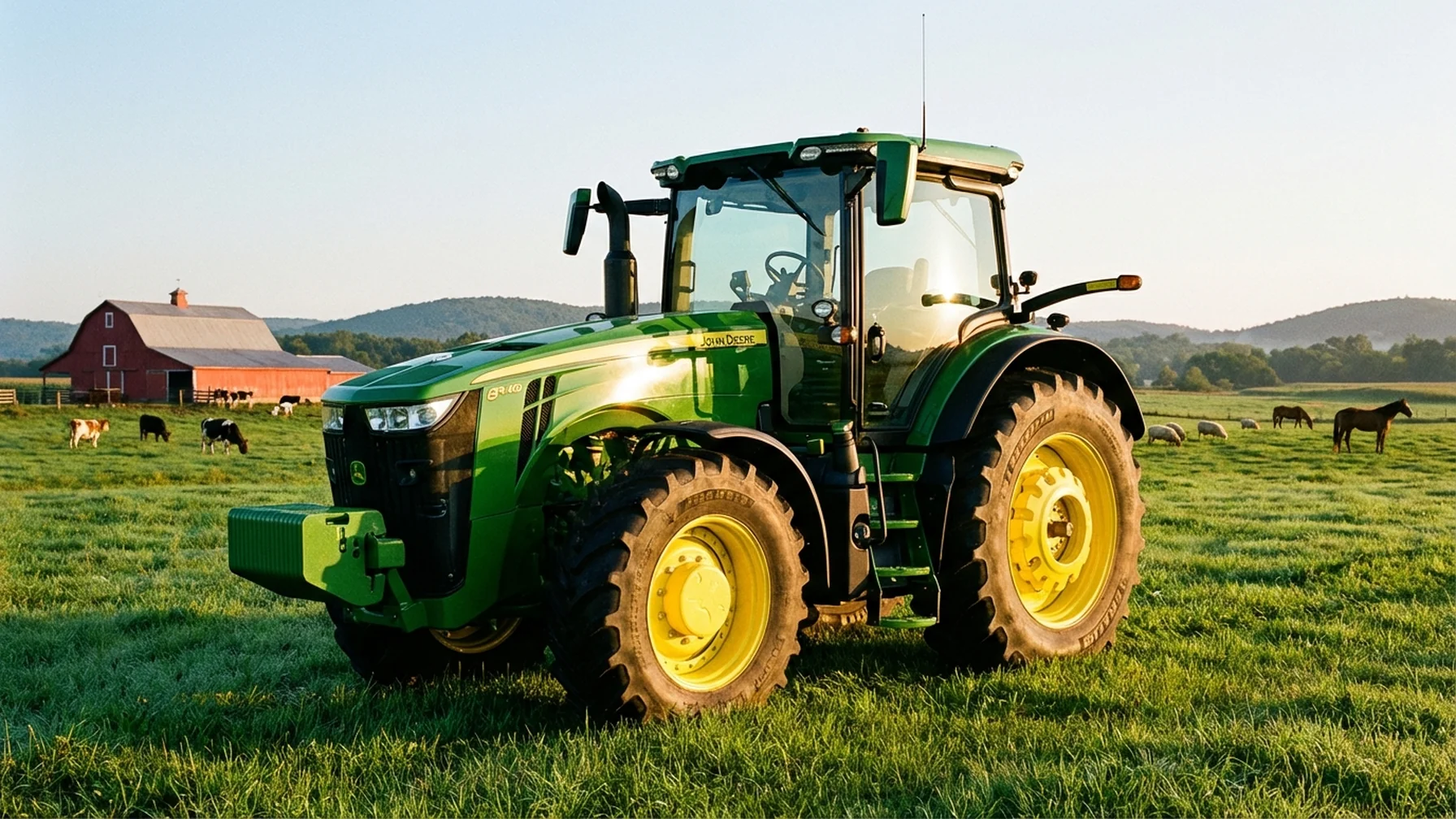
The right equipment can make a significant difference in farm operations. From tractors to feeding systems, selecting reliable and efficient equipment is essential. Consider factors such as durability, ease of use, and maintenance requirements when evaluating farm tools.
| Factor | Importance | Example |
|---|---|---|
| Durability | High | Long-lasting tractors |
| Ease of Use | Medium | Simple controls |
| Maintenance | Critical | Regular servicing |
Investing in high-quality tools can reduce downtime and increase productivity, ultimately leading to a more profitable business.
Creating a Comprehensive Agricultural Business Plan
A solid business plan is the foundation of any successful agricultural venture. This involves setting clear goals, understanding market demands, and managing finances effectively. Consider factors like crop selection, livestock management, and market access.
- Set clear and achievable goals.
- Analyze market demands and trends.
- Plan financial management and budgeting.
- Determine crop and livestock selection.
- Explore market access and distribution channels.
A well-thought-out plan can guide your decisions and help navigate challenges in the agricultural landscape, ensuring steady progress and growth.
Exploring Additional Rural Business Ideas
While livestock farming is a popular option, rural areas offer various other business opportunities. Ideas include agritourism, farm-to-table dining experiences, and artisanal food production. These ventures can provide additional income streams and diversify rural economies.
Exploring such avenues not only enhances economic viability but also enriches community interactions and cultural exchange within rural settings.
Implementing Sustainable Livestock Farming Practices
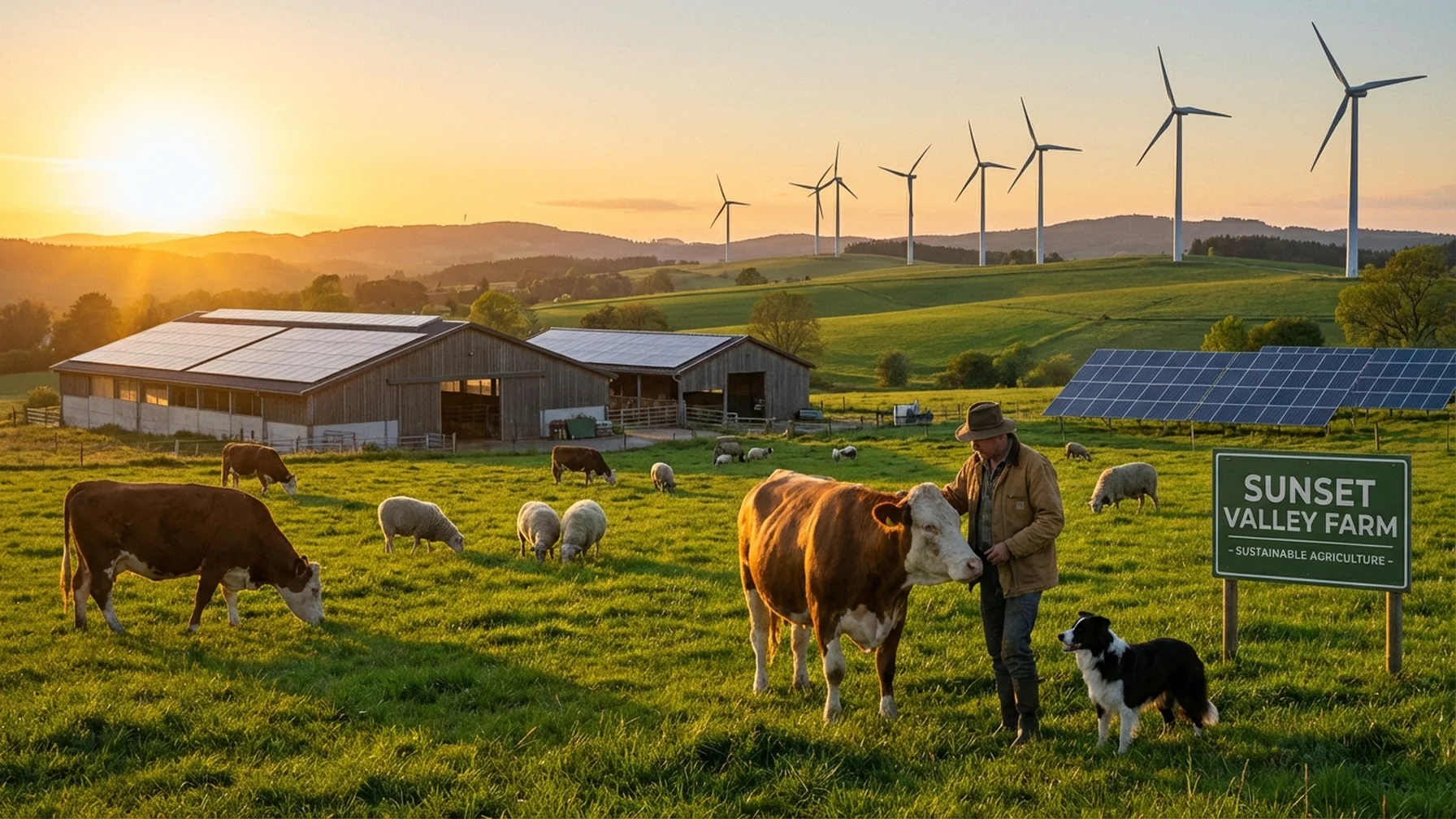
Sustainability in agriculture is increasingly important. Implementing practices such as rotational grazing, organic feed, and waste recycling can reduce environmental impact and improve farm sustainability. These practices benefit the environment and enhance the long-term viability of the farming business.
By focusing on sustainable practices, farmers can ensure that they are contributing positively to the environment while maintaining a profitable operation.
By focusing on these entrepreneurial rural business opportunities, individuals can build successful and sustainable ventures in livestock farming. Whether through technology, strategic planning, or embracing modern techniques, the potential for growth in rural areas is vast and promising.